

9 Safe Driving Tips When Sharing the Road With Large Trucks
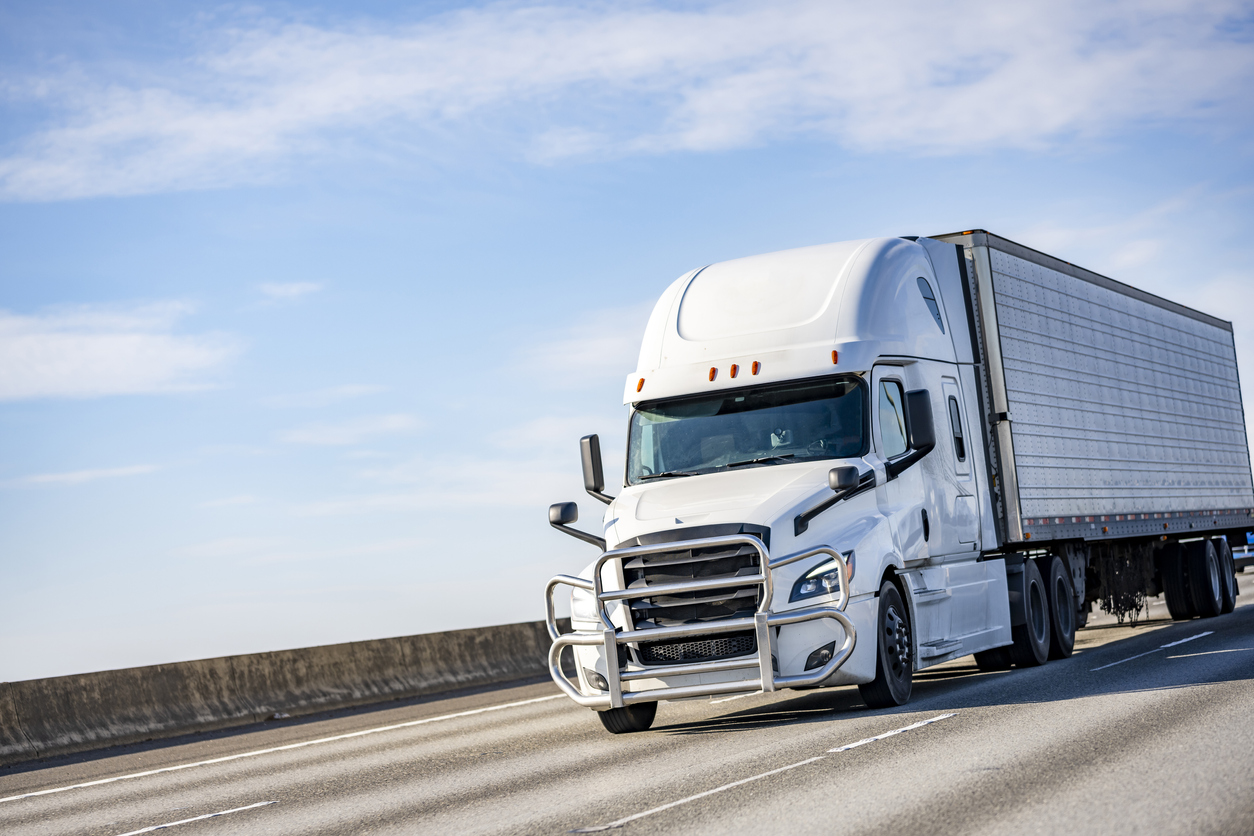
Sharing the road with an 18-wheeler or other commercial truck requires extra caution. These vehicles are longer, heavier, and less maneuverable than passenger cars. They also have large blind spots and need more room to slow down, change lanes, and turn.
You cannot control how a truck driver behaves, but you can reduce your risk by making your own actions visible, predictable, and patient. The following nine tips can help you travel more safely around large commercial vehicles and potentially avoid catastrophic truck accidents.
1. Stay Out of the Truck’s Blind Spots
Large trucks have significant blind spots, sometimes called no-zones, along both sides, behind the trailer, and in front of the cab. If you cannot see the truck driver’s face in a side mirror, the driver may not be able to see you.
Avoid lingering beside a truck. Either move ahead safely or drop back until your vehicle is visible in the truck’s mirrors.
2. Leave Plenty of Following Distance
Tailgating a tractor-trailer limits your view of traffic and hazards ahead. It can also place you in the driver’s rear blind spot. If the truck brakes suddenly, you may not have enough space to stop.
Maintain a generous following distance and increase it during rain, heavy traffic, or poor visibility. When stopped behind a truck on an incline, leave additional room in case the truck rolls backward.
3. Pass Promptly and on the Left
Before passing, confirm there is enough open road to complete the maneuver safely. Signal early, pass on the left, and move steadily through the truck’s blind spot.
Wait until you can see the entire truck in your rearview mirror before returning to its lane. Avoid passing on the right, where the driver’s blind spot is larger, and your vehicle may be harder to detect.
4. Never Cut Closely in Front of a Truck
A fully loaded commercial truck cannot stop as quickly as a passenger vehicle. Moving into a truck’s lane without leaving enough space may force the driver to brake abruptly, and the truck still may not be able to avoid a collision.
After passing, create a wide cushion before merging back. The few seconds you might save by cutting in are never worth the risk.
5. Give Trucks Room to Make Wide Turns
Large trucks may swing left before turning right because the trailer’s rear wheels follow a tighter path than the cab. Never squeeze between a turning truck and the curb. The trailer can enter your lane even when the cab appears to be moving away.
At intersections, stop behind the marked line and keep the intersection clear so truck drivers have the space needed to complete turns safely.
6. Be Careful When Trucks Merge
Entrance ramps, lane closures, and construction zones can create difficult merging situations. If a truck signals a lane change, do not accelerate to block it. Adjust your speed to create space, and avoid positioning your vehicle beside the trailer when lanes narrow.
Use your turn signal before changing lanes, and avoid sudden braking or last-second maneuvers.
7. Expect Wind and Weather Effects
Large trucks can create strong air turbulence, especially at highway speeds. You may feel your vehicle pushed away from the truck as it approaches and pulled toward it as it passes. Keep both hands on the wheel and maintain a steady path.
Rain also creates heavy spray that can briefly reduce visibility. Increase your following distance, use your wipers and headlights as appropriate, and avoid passing until you can clearly see the roadway.
8. Stay Focused and Avoid Fatigued Driving
Safe driving near trucks depends on noticing signals, traffic, and trailer movement. Put away your phone, set navigation before leaving, and avoid other distractions.
Fatigue can be just as dangerous. If you are struggling to keep your eyes open, drifting within your lane, or missing exits, pull over in a safe place and rest.
9. Be Patient and Avoid Aggressive Driving
Trucks may accelerate slowly or take extra time to climb hills. Honking, weaving, tailgating, or making abrupt passes will not meaningfully shorten your trip. These actions only reduce everyone’s margin for error.
Stay calm, allow extra travel time, and wait for a safe opportunity to pass. Patience is one of the most effective tools for preventing a serious crash.
Contact the Dallas Truck Accident Lawyers at Benton Accident & Injury Lawyers for a Free Consultation
Good spacing, clear signals, and careful attention can make sharing the road with large trucks safer. However, even a cautious driver can be injured when a truck driver, trucking company, or another road user acts negligently.
If you have been hurt in a collision involving a commercial vehicle in Dallas, TX, please contact the experienced Dallas truck accident lawyers at Benton Accident & Injury Lawyers today. We offer free consultations.
We proudly serve in Dallas County and its surrounding areas:
Benton Accident & Injury Lawyers
1825 Market Center Blvd # 350, Dallas, TX 75207
Phone: (214) 556-8321
Hours Open: 24/7
Our firm is located near you. We have an office in Dallas.
Find us with our GeoCoordinates: 32.7950252,-96.8241861


About the Author
Jeff BentonJeff Benton is the founder of Benton Accident & Injury Lawyers in Dallas. He represents clients in claims involving truck accidents, car accidents, wrongful death, workplace accidents, and other forms of negligence. Jeff is known for taking on difficult cases that other firms decline and for fighting aggressively against powerful insurance companies and corporate defendants. He was honored with the Dallas Trial Lawyers Association’s John Howie Award for his pursuit of justice and remains committed to helping injured individuals and families throughout Texas. Click here to see some of his notable case results.
