

How Much Does a Semi Truck Weigh?
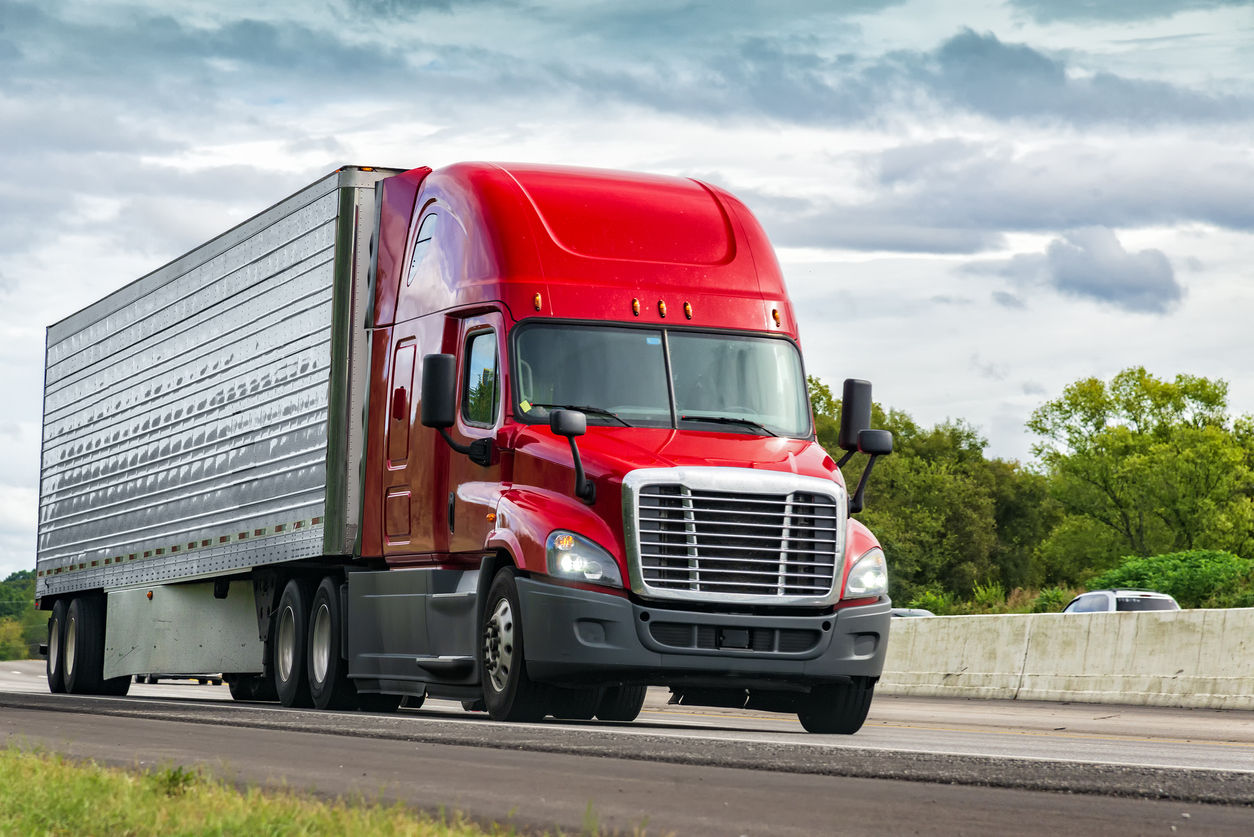
Semi trucks are a familiar sight on Texas highways, hauling everything from groceries and raw materials to heavy equipment and consumer goods. These massive vehicles are essential for keeping the economy moving, but their sheer size and weight also make them some of the most dangerous vehicles on the road. Our truck accident attorneys in Dallas help you understand what to look out for when being involved in a collision with a weighted commercial truck, and how it can play a major role in determining the extent of damage and the severity of injuries.
Why Semi Truck Weight Matters
The weight of a semi truck significantly impacts how it performs on the road. Heavier vehicles take longer to stop, are harder to maneuver, and can cause devastating damage in a collision. For context, a typical passenger car weighs about 2,500 to 4,200 pounds. A fully loaded semi-truck can weigh as much as 20 times more. This means that even a low-speed collision with a tractor-trailer can lead to catastrophic injuries and property damage.
The heavy weight of commercial trucks also affects infrastructure. Overweight trucks can damage roads and bridges, which is why both federal and state laws impose strict weight limits and penalties for violations.
Average Weight of a Semi Truck
The weight of a semi truck varies based on several factors, including whether it is carrying cargo, the type of trailer attached, and its configuration.
Below is a general breakdown of typical weights:
- Empty tractor (no trailer): 10,000 – 25,000 pounds
- Empty tractor with trailer: 25,000 – 35,000 pounds
- Fully loaded truck: Up to 80,000 pounds (the legal maximum on most highways)
Specialized trucks, such as those used to transport oversized or heavy industrial loads, can exceed these limits, but they require special permits to operate legally.
Texas Law on Truck Weight Limits
Texas law imposes strict regulations on the weight of commercial vehicles to protect both public safety and infrastructure. Under Texas Transportation Code § 621.101, the maximum gross weight for a standard semi truck and trailer combination is 80,000 pounds. This figure includes the total weight of the tractor, trailer, cargo, and any additional equipment.
These regulations are designed to ensure that trucks can operate safely without causing excessive wear on highways or increasing the risk of accidents.
Overweight Trucks and Special Permits
Some trucking operations require vehicles to exceed the standard weight limits in order to transport heavy or oversized cargo. In such cases, the trucking company must obtain a special overweight permit from the Texas Department of Motor Vehicles (TxDMV). These permits specify the approved route, safety precautions, and any restrictions on bridges or roadways.
Operating an overweight truck without the required permit can lead to severe penalties, including heavy fines, citations, and even impoundment of the vehicle.
The Dangers of Overweight Trucks
Operating a truck beyond its legal weight capacity is more than just a traffic violation. It is a significant safety hazard. Overweight trucks present several dangers, including:
- Longer stopping distances: Heavier trucks need more space to stop, increasing the risk of rear-end collisions.
- Reduced maneuverability: Excess weight makes trucks harder to steer and control, especially on curves or steep inclines.
- Increased crash severity: Accidents involving heavier trucks are more likely to result in severe injuries or fatalities.
- Higher risk of mechanical failure: Brakes, tires, and suspension systems are more likely to fail under excessive weight.
For victims of truck accidents, proving that a vehicle exceeded legal weight limits can be an important part of demonstrating negligence.
How Truck Weight Impacts Accident Claims
Truck weight can play a critical role in determining liability after an accident. If a semi truck is overloaded or operating without the required permits, it may indicate negligence by the driver, trucking company, or cargo loader.
Key types of evidence in these cases often include:
- Weigh station records: These show the truck’s weight prior to the accident.
- Cargo manifests and bills of lading: These documents verify how much cargo was being transported.
- Maintenance records: These can reveal whether the truck was inspected and maintained properly.
- Black box data: The truck’s onboard electronic data can show speed, braking activity, and other crucial details.
An experienced truck accident attorney can help gather and analyze this evidence to demonstrate how excessive weight contributed to the crash.
Contact Benton Accident & Injury Lawyers for a Free Consultation With a Dallas Truck Accident Lawyer
If you’ve been injured in a crash involving an overloaded or overweight semi truck in Dallas, TX, please contact the experienced Dallas truck accident lawyers at Benton Accident & Injury Lawyers today. We offer free consultations.
We proudly serve in Dallas County and its surrounding areas:
Benton Accident & Injury Lawyers
1825 Market Center Blvd # 350, Dallas, TX 75207
Phone: (214) 556-8321
Hours Open: 24/7
Our firm is located near you. We have an office in Dallas.
Find us with our GeoCoordinates: 32.7950252,-96.8241861

About the Author
Jeff BentonJeff Benton is the founder of Benton Accident & Injury Lawyers in Dallas. He represents clients in claims involving truck accidents, car accidents, wrongful death, workplace accidents, and other forms of negligence. Jeff is known for taking on difficult cases that other firms decline and for fighting aggressively against powerful insurance companies and corporate defendants. He was honored with the Dallas Trial Lawyers Association’s John Howie Award for his pursuit of justice and remains committed to helping injured individuals and families throughout Texas. Click here to see some of his notable case results.
