


Thoracic injuries are among the most serious types of trauma because they affect the chest region, which houses vital organs, including the heart, lungs, major blood vessels, ribs, and diaphragm. These injuries can range from relatively minor rib fractures to life-threatening damage involving the lungs or cardiovascular system. Thoracic trauma is responsible for a significant percentage of trauma-related deaths and often requires immediate medical evaluation and treatment.
Understanding the causes, symptoms, treatment options, and potential long-term effects of thoracic injuries can help victims and their families make informed decisions about medical care and recovery.
What Is a Thoracic Injury?
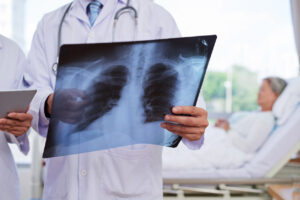
A thoracic injury refers to any injury affecting the chest cavity and the structures within it. The thorax includes the rib cage, sternum, lungs, heart, major blood vessels, and surrounding tissues. Injuries may result from blunt force trauma, penetrating wounds, or crush injuries. Depending on the severity, thoracic trauma can interfere with breathing, circulation, or both, making prompt diagnosis and treatment essential.
Types of Thoracic Injuries
Thoracic injuries are generally classified into two categories:
Blunt Thoracic Trauma
Blunt trauma occurs when a force strikes the chest without breaking the skin.
Common examples include:
- Car accidents
- Motorcycle crashes
- Falls from heights
- Sports injuries
- Physical assaults
- Workplace accidents
Blunt chest trauma is more common than penetrating trauma and can cause damage ranging from bruising to severe internal injuries.
Penetrating Thoracic Trauma
Penetrating trauma occurs when an object enters the chest cavity, potentially damaging internal organs and blood vessels.
Examples include:
- Gunshot wounds
- Stab wounds
- Industrial accidents involving sharp objects
Penetrating injuries often require emergency intervention and may lead to significant internal bleeding or lung collapse.
Common Types of Thoracic Injuries
Several different injuries may occur within the chest region, including:
Rib Fractures
Broken ribs are among the most common thoracic injuries. While a single rib fracture may heal with conservative treatment, multiple fractures can lead to serious complications such as pneumonia, lung injury, or respiratory distress. Older adults are particularly vulnerable to complications following rib fractures.
Pneumothorax
A pneumothorax, commonly known as a collapsed lung, occurs when air enters the space between the lung and chest wall. This condition can interfere with normal breathing and may require the placement of a chest tube to remove trapped air.
Hemothorax
A hemothorax occurs when blood accumulates within the chest cavity. This condition can impair lung function and may result from blunt or penetrating trauma. Severe cases may require surgery or chest drainage procedures.
Pulmonary Contusion
A pulmonary contusion is essentially a bruise of the lung tissue. It can impair oxygen exchange and cause breathing difficulties. Pulmonary contusions are common after high-impact vehicle collisions and other severe blunt-force events.
Flail Chest
Flail chest occurs when multiple adjacent ribs are fractured in several places, creating an unstable segment of the chest wall. This condition can significantly impair breathing and often requires intensive medical management.
Cardiac and Vascular Injuries
Severe chest trauma can injure the heart or major blood vessels, including the aorta. These injuries are often life-threatening and require immediate emergency treatment.
Symptoms of a Thoracic Injury
The symptoms of a thoracic injury vary depending on the structures involved and the severity of the trauma.
Common symptoms include:
- Chest pain
- Shortness of breath
- Difficulty breathing
- Pain when coughing or taking deep breaths
- Bruising or swelling of the chest
- Rapid breathing
- Coughing up blood
- Tenderness over the ribs or sternum
- Visible chest wall deformity
- Dizziness or lightheadedness
In severe cases, victims may experience respiratory distress, shock, or loss of consciousness. Any chest injury accompanied by breathing difficulties should be treated as a medical emergency.
Diagnosing Thoracic Injuries
Prompt diagnosis is critical because some chest injuries may not be immediately apparent. Physicians typically begin with a physical examination and assessment of breathing and circulation.
Diagnostic tools may include:
- Chest X-rays
- CT scans
- Ultrasound imaging
- Electrocardiograms (EKGs)
- Blood tests
- Continuous monitoring of oxygen levels
Advanced imaging often helps identify internal bleeding, lung damage, fractures, or cardiovascular injuries that may not be visible during a routine examination.
Treatment Options
Treatment depends on the type and severity of the injury, but may include the following:
- Pain management
- Oxygen therapy
- Breathing exercises
- Physical therapy
- Observation and monitoring
- Chest tube insertion
- Mechanical ventilation
- Blood transfusions
- Needle decompression for tension pneumothorax
Although many thoracic trauma patients do not require surgery, prompt surgical intervention can be lifesaving when serious internal injuries are present.
Long-Term Effects of Thoracic Injuries
Recovery varies widely depending on the severity of the trauma. Some patients heal completely within weeks, while others experience long-term complications.
Potential long-term consequences include:
- Chronic chest pain
- Reduced lung capacity
- Persistent shortness of breath
- Scarring of lung tissue
- Decreased physical endurance
- Emotional trauma and anxiety
- Ongoing medical treatment needs
Victims who suffer severe thoracic injuries may require extensive rehabilitation and long-term medical monitoring. The financial impact can be substantial, especially when injuries prevent a return to work.
Contact the Dallas Personal Injury Lawyers at Benton Accident & Injury Lawyers for a Free Consultation
A thoracic injury can have serious and lasting consequences because it affects some of the body’s most vital organs and systems. Prompt medical care is essential to diagnose internal injuries, prevent complications, and seek full recovery.
When a thoracic injury results from someone else’s negligence, victims may have legal options to pursue compensation for their losses. Contact Benton Accident & Injury Lawyers at (214) 556-8321 for a free consultation with an experienced Dallas personal injury lawyer.
