

What Is Vehophobia?
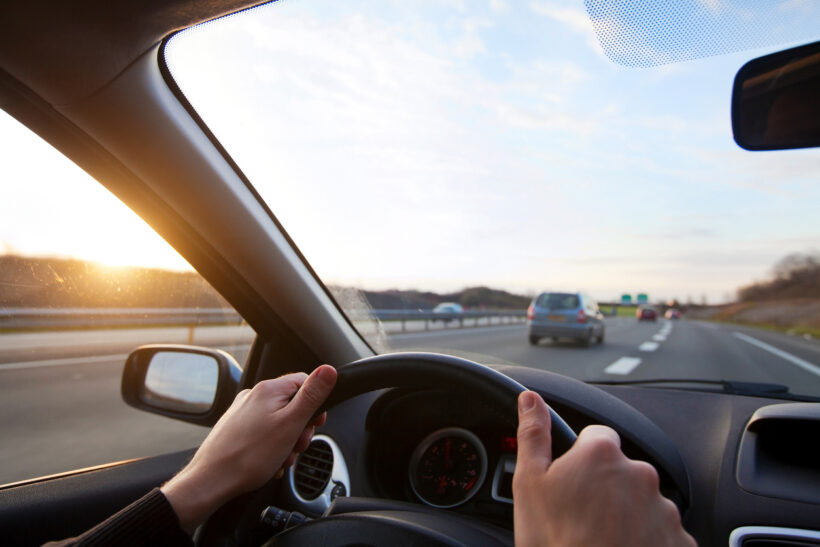
Car accidents can cause more than physical injuries. Some people develop an intense fear of driving after a serious collision. This condition, known as vehophobia, can interfere with everyday activities, including commuting to work, running errands, and visiting loved ones.
Vehophobia is an intense fear of driving or traveling in motor vehicles. Unlike ordinary nervousness, this fear can cause severe anxiety, panic attacks, and avoidance behaviors that disrupt daily life.
What Causes Vehophobia?
Vehophobia can develop after a traumatic experience involving a motor vehicle. Car accidents, truck accidents, and motorcycle accidents are possible triggers, particularly when someone suffers serious injuries or witnesses a frightening collision.
Other potential causes and contributing factors include:
- Witnessing a serious traffic accident
- Experiencing a near-miss collision
- Having a history of anxiety or other phobias
- Learning about a traumatic accident involving a loved one
- Experiencing repeated stressful driving situations
After a traumatic event, the brain may associate driving with danger. While some anxiety following an accident is normal, persistent fear can develop into a phobia that makes returning to normal driving activities difficult. In some cases, the fear may continue long after physical injuries have healed.
What Are the Common Symptoms of Vehophobia?
Vehophobia involves more than feeling nervous behind the wheel. It can cause intense emotional and physical symptoms when someone drives, rides in a vehicle, or even thinks about traveling by car. The severity of these symptoms can vary depending on the person and the circumstances.
Common symptoms include:
- Severe anxiety or panic attacks while driving or riding in a vehicle
- Excessive fear of another collision
- Avoiding driving or traveling in motor vehicles
- Rapid heartbeat, sweating, or shaking
- Dizziness, nausea, or difficulty breathing
- Chest tightness or feelings of losing control
Symptoms may also occur when someone encounters reminders of a previous accident, such as screeching brakes, heavy traffic, or damaged vehicles. Some people experience anxiety only in specific situations, such as highway driving, while others may struggle to enter a vehicle at all.
How Is Vehophobia Diagnosed and Treated?
A mental health professional can evaluate a person’s symptoms, medical history, and experiences to determine whether they have a driving-related phobia. Vehophobia may be diagnosed as a specific phobia when symptoms meet the applicable diagnostic criteria. According to the National Institute of Mental Health, phobias involve intense fear or anxiety that can interfere with everyday activities.
Common treatment options include:
- Cognitive behavioral therapy (CBT): Helps individuals recognize and change thought patterns that contribute to their fear.
- Exposure therapy: Gradually introduces driving-related situations in a controlled environment to help reduce anxiety.
- Medication: Certain medications may help manage anxiety symptoms when recommended by a healthcare professional.
- Relaxation techniques: Breathing exercises and other coping strategies may help individuals manage physical symptoms.
Treatment depends on the severity of the condition and the individual’s needs. Some people may benefit from therapy alone, while others may require additional support to manage their symptoms.
Can You Recover Compensation for Vehophobia After a Car Accident?
If another driver’s negligence caused an accident that resulted in vehophobia, you may be able to pursue compensation for the condition’s financial and emotional effects. Texas personal injury claims may include both economic and non-economic damages, depending on the circumstances of the case.
Compensation may cover:
- Therapy, counseling, and medication expenses
- Lost wages and reduced earning capacity
- Additional transportation costs, including rideshares or taxis
- Mental anguish and emotional suffering
- Reduced enjoyment of life
Recovering compensation for psychological injuries without accompanying physical injuries can be more complicated under Texas law. The availability of damages depends on the legal basis of the claim and the circumstances of the accident.
Contact Benton Accident & Injury Lawyers To Schedule a Free Consultation With a Dallas Car Accident Attorney
Vehophobia can make it difficult to return to everyday life after a serious car accident. Treatment expenses, lost income, and emotional distress can create additional challenges for injured individuals and their families. Seeking legal guidance may help you understand your options for recovering compensation.
If you developed vehophobia after a collision in Dallas, Texas, contact Benton Accident & Injury Lawyers today to schedule a free consultation with a Dallas car accident lawyer. Our team can review your case, explain your legal options, and help you pursue the compensation you deserve.
We proudly serve in Dallas County and its surrounding areas:
Benton Accident & Injury Lawyers
1825 Market Center Blvd # 350, Dallas, TX 75207
Phone: (214) 556-8321
Hours Open: 24/7
Our firm is located near you. We have an office in Dallas.
Find us with our GeoCoordinates: 32.7950252,-96.8241861


About the Author
Jeff BentonJeff Benton is the founder of Benton Accident & Injury Lawyers in Dallas. He represents clients in claims involving truck accidents, car accidents, wrongful death, workplace accidents, and other forms of negligence. Jeff is known for taking on difficult cases that other firms decline and for fighting aggressively against powerful insurance companies and corporate defendants. He was honored with the Dallas Trial Lawyers Association’s John Howie Award for his pursuit of justice and remains committed to helping injured individuals and families throughout Texas. Click here to see some of his notable case results.
